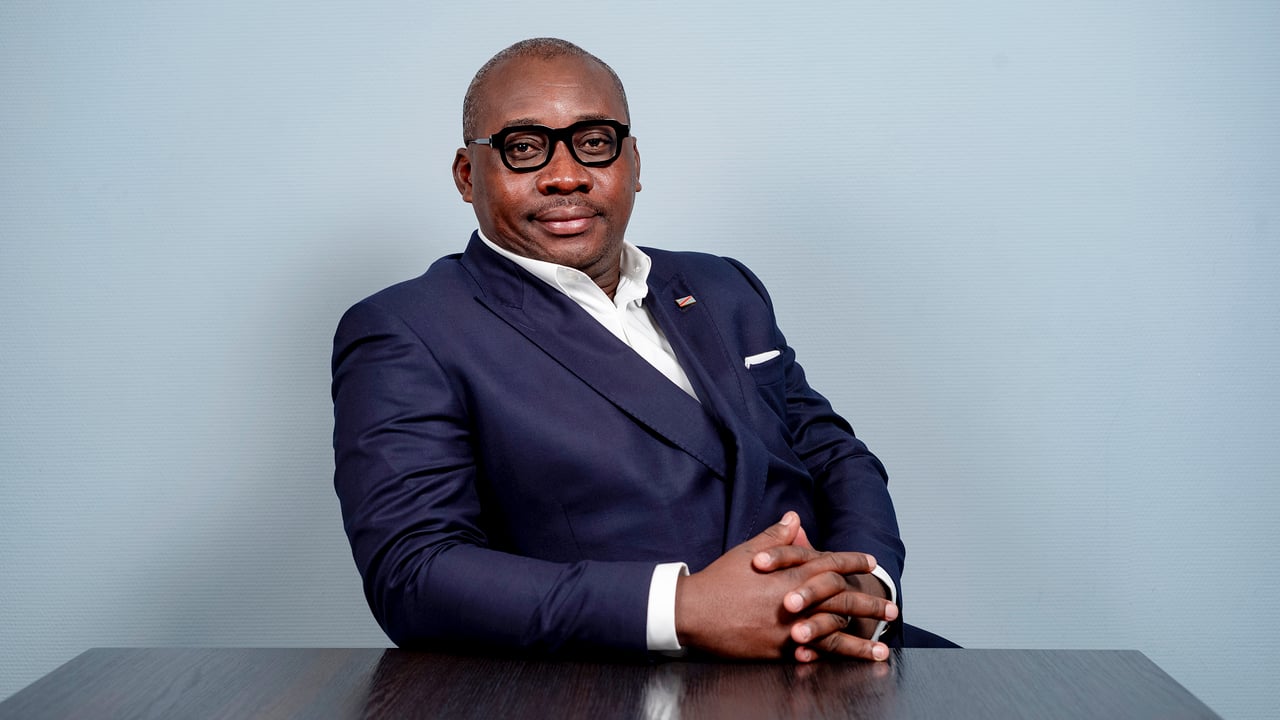
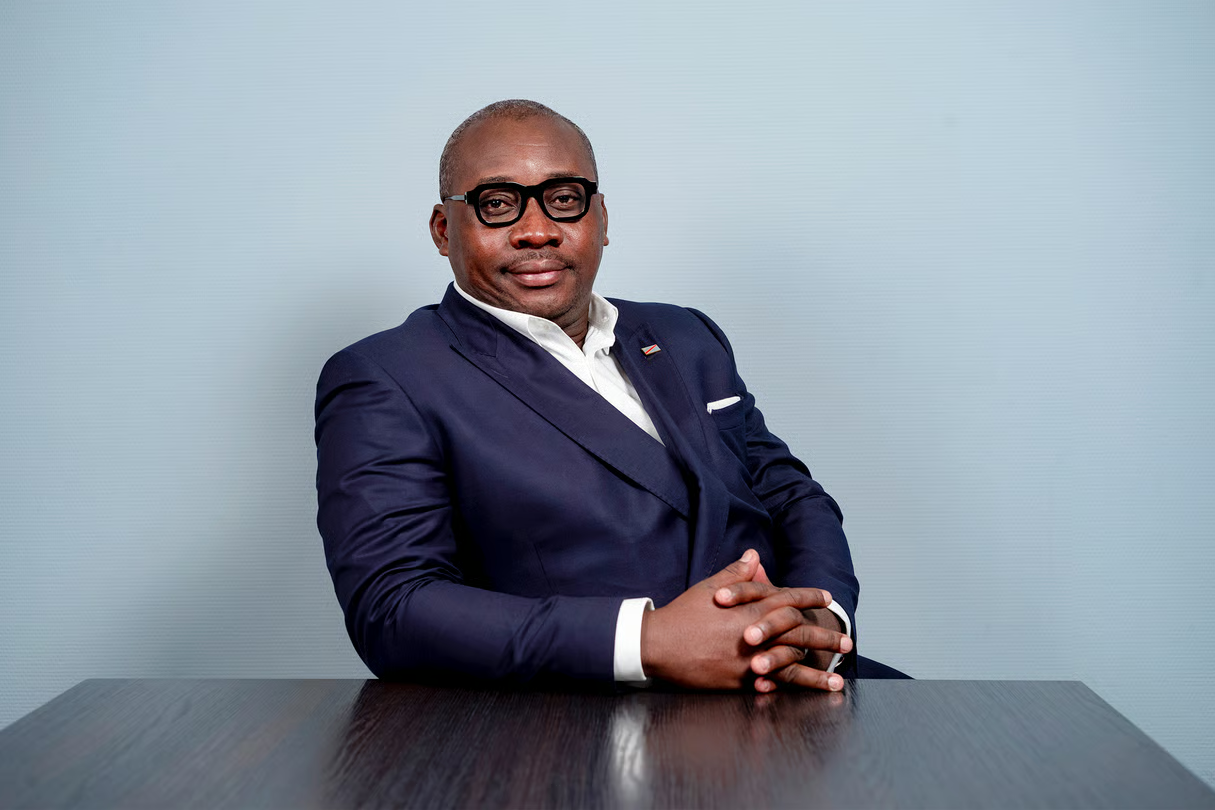
Two decades after its adoption, the Democratic Republic of Congo’s constitution remains a subject of intense debate. Guy Loando Mboyo, minister of state for parliamentary relations, highlights the gaps and unaddressed issues that have shaped the nation’s legal and political landscape over the past 20 years.
The roots of constitutional shortcomings
According to Mboyo, the challenges stem from deep-seated structural and implementation flaws. The constitution, while ambitious in its design, has struggled to adapt to the evolving needs of DR Congo’s complex societal fabric. Political instability, institutional weaknesses, and shifting priorities have all played a role in its uneven application.
Why reforms remain unresolved
The minister points to a lack of consensus among stakeholders as a key obstacle. Competing interests, historical grievances, and the sheer scale of governance in a country as vast as DR Congo have made meaningful reform difficult. The original vision of the constitution, meant to unify and stabilize, has often been overshadowed by practical constraints.
A call for reflection and action
Mboyo’s assessment goes beyond criticism—it serves as a call to action. He argues that the anniversary is not just a milestone but an opportunity to reassess the constitution’s role in addressing modern challenges. From economic disparities to regional conflicts, the legal framework must evolve to meet the demands of a changing nation.
His perspective underscores a broader truth: constitutions are living documents, and their success depends not just on their text but on the political will to uphold and adapt them.